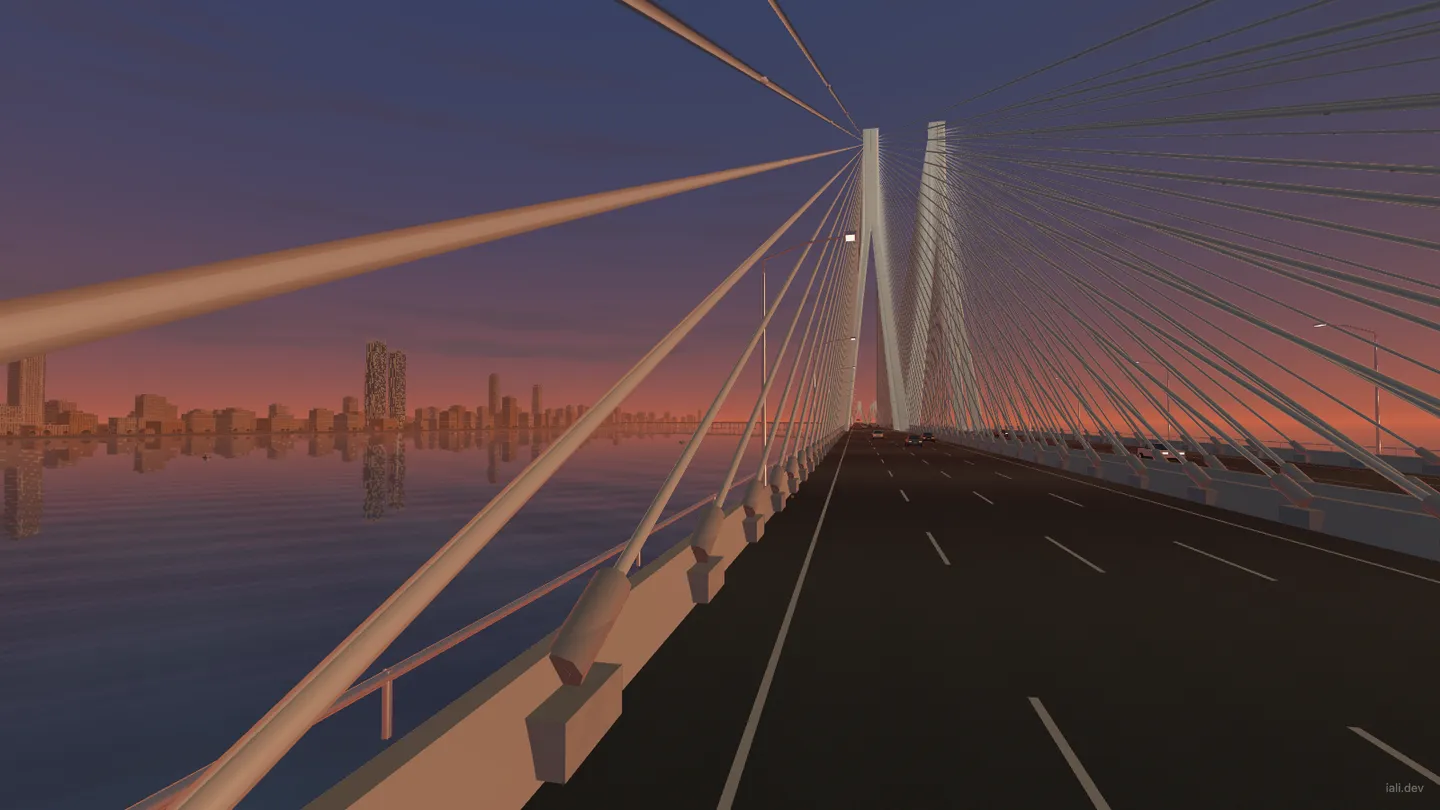
Building the Sea Link in 3D
From Python-generated bridge geometry to an animated bus ride, camera rigs, sunset lighting and water reflections in WebGL.
Notes from my projects, alongside guides to reviewing AI-generated code, choosing an AI pilot and planning training.
From Python-generated bridge geometry to an animated bus ride, camera rigs, sunset lighting and water reflections in WebGL.
A technical look at mapping a personal photo onto a 3D bridge, reflecting it in water and saving the result.
Building a friendship quiz where the creator sets the answers and AI helps choose the options.
Work through a fictional support-transcript feature, then copy the checklist into your next pull request.
Compare preparation, participation and takeaways, then use the worksheet to choose a format for your audience.
Define the task, data limits, human review and stop condition before testing a pilot.
Give a trainer the participant details, tool access and delivery conditions they need to plan the exercises.
A few articles from my time at Pieces. Product and model details reflect their original publication dates.
Choosing a language for AI work means thinking about experimentation, deployment and the people who will maintain it. A practical look at those tradeoffs.
Memory tools through a developer’s eyes: local processing, code context, integrations, and the difference between recording activity and saving something useful.
What smaller models offer when API costs and latency matter. Lessons from exploring where broad capability helps and where a focused model fits.
Running Phi-3 locally with Ollama and organizing generated snippets in Pieces, with practical setup steps and a look at the model’s context limitations.